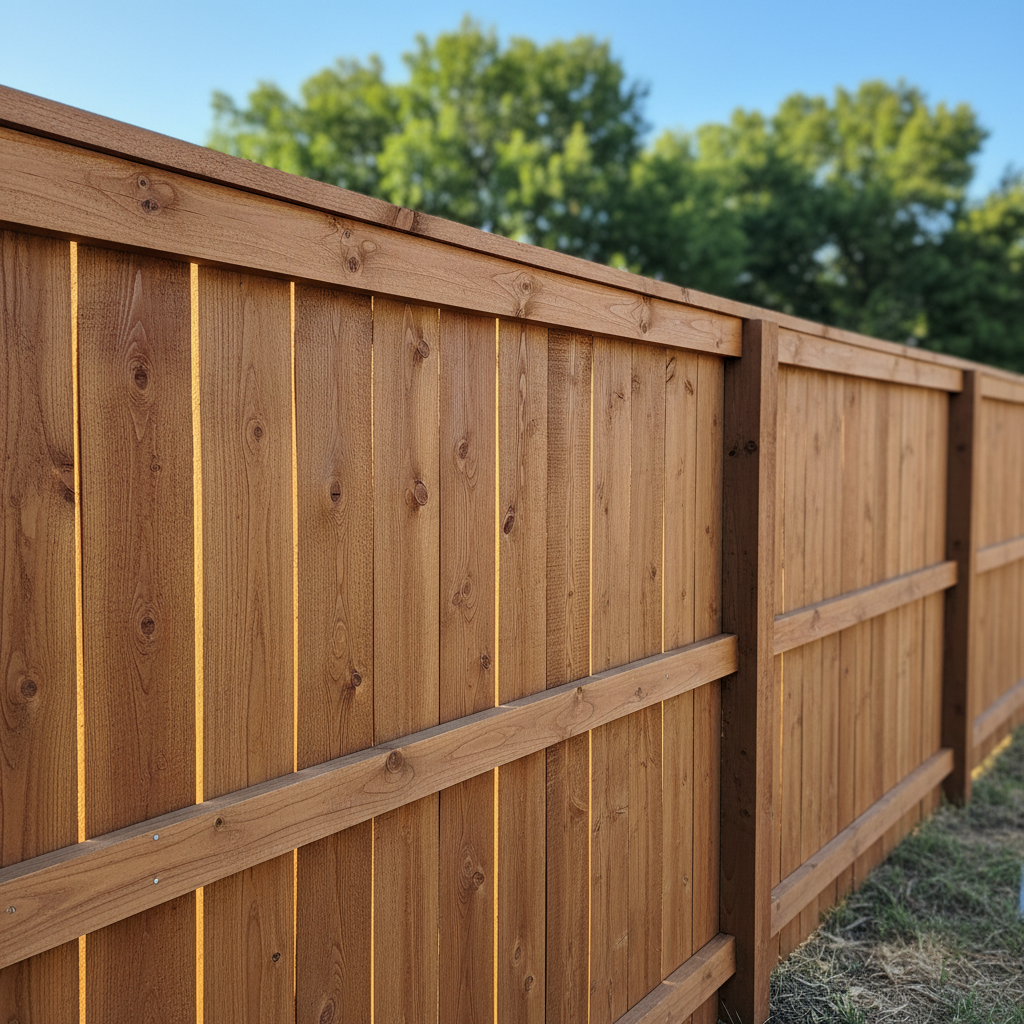
So, you're thinking about putting up a wood fence yourself, huh? I get it. There's a real satisfaction in building something with your own hands, and saving a few bucks never hurt anyone. But let me tell you, a fence isn't just a few planks and posts. Especially here in Wichita Falls, with our crazy weather and sometimes tricky soil, there's a bit more to it than you might think. I've seen plenty of DIY jobs, some good, some... well, let's just say they ended up calling Allied Fencing anyway.
Before You Even Buy a Single Board
This is where most folks mess up, or at least make things harder than they need to be. Planning is key. Seriously, don't skip these steps.
- Know Your Property Lines: This is non-negotiable. You absolutely have to know exactly where your property ends and your neighbor's begins. Don't guess. Don't rely on an old survey from when you bought the house unless you're absolutely sure it's accurate and hasn't been challenged. If you put your fence even an inch on your neighbor's land, you're looking at a headache, potential legal issues, and probably having to tear it down. Get a professional survey if there's any doubt.
- Check Local Ordinances & HOAs: Every city has rules about fences – height limits, setback requirements from property lines, material restrictions, and sometimes even which way the 'good' side of the fence has to face. Wichita Falls is no different. If you live in an HOA, you'll have another layer of rules to deal with. Get copies of these rules and read them. You'll likely need a permit, too. Don't start digging without one, or you could face fines or be forced to remove it.
- Call 811 Before You Dig: I can't stress this enough. This is a free service that marks underground utility lines – gas, water, electric, cable. Hit one of those, and you're not just looking at a repair bill, you could be looking at serious injury or worse. It's the law, and it's smart. Call a few days before you plan to start digging.
- Talk to Your Neighbors: Even if you're well within your property lines, a new fence affects your neighbors. A friendly conversation can head off a lot of problems. They might even be willing to split the cost, which is a win-win.
What You Can DIY (and Where You Might Want Help)
Okay, so you've done your homework. Now for the actual build. Some parts of this are definitely manageable for a handy homeowner, but others are where the pros really earn their keep.
The DIY-Friendly Stuff
- Material Selection: You can absolutely pick out your own wood. Cedar is popular for its natural resistance to rot and insects, and it looks great. Treated pine is a more budget-friendly option, but make sure it's rated for ground contact if you're burying posts. Understand the different grades of lumber – knotty vs. clear, for example – and what look you're going for.
- Panel Assembly (if using pre-built panels): If you're buying pre-built fence panels, attaching them to posts is pretty straightforward with the right hardware.
- Staining or Painting: Once the fence is up and dry, applying a stain or paint is a great way to protect it from our Texas sun and occasional heavy rains, and it's something you can definitely tackle yourself. Just make sure to clean the fence thoroughly first.
Where a Pro Comes in Handy (or is Essential)
- Post Hole Digging & Setting: This is the backbone of your fence. Our soil here in Wichita Falls can be tough – sometimes it's like digging through concrete, other times it's soft clay. Getting your post holes deep enough (typically 2-3 feet, depending on fence height and soil conditions) and perfectly aligned is critical. Posts need to be plumb (perfectly vertical) and set in concrete correctly to withstand our strong winds. If your posts aren't right, your fence won't last. This is where a lot of DIY fences start to lean after a year or two.
- Layout and Leveling: Fences need to follow your property line, but they also need to look good. That means keeping the top line level or following the natural grade smoothly. If your yard slopes, you'll need to 'step' the fence panels or cut them to follow the grade. Getting this right takes experience and good tools. A wonky fence sticks out like a sore thumb.
- Custom Gates: Building a gate that hangs straight, opens smoothly, and doesn't sag over time is an art form. It requires precise measurements, strong bracing, and the right hardware. This is usually not a beginner's project.
- Repairing Mistakes: If a post isn't plumb, or a panel is uneven, fixing it after the fact can be a huge pain and sometimes more expensive than just having a pro do it right the first time.
After the Fence is Up: Maintenance Matters
You've put in all that work, or Allied Fencing has. Now you need to protect your investment. Wood fences aren't set-it-and-forget-it. Our climate, with its hot summers and occasional freezes, can be tough on wood.
- Regular Cleaning: Wash your fence periodically to remove dirt, mildew, and algae. A simple garden hose and a soft brush often do the trick. For tougher grime, a pressure washer on a low setting can work, but be careful not to damage the wood.
- Stain/Sealant Reapplication: Most stains and sealants need to be reapplied every 2-5 years, depending on the product and how much sun exposure your fence gets. This is crucial for preventing rot, warping, and fading.
- Check for Damage: Walk your fence line regularly. Look for loose boards, damaged posts, or rust on hardware. Address small issues before they become big problems. Termites are also a concern here, so keep an eye out for any signs of them.
Look, building a fence yourself is a big project. If you're handy, have the right tools, and are willing to put in the time and effort, you can absolutely do a good job. But if you're short on time, unsure about the structural aspects, or just want the peace of mind that comes with a professionally installed fence that'll stand up to our Wichita Falls weather, give us a call at Allied Fencing. We've been doing this a long time, and we know what works.